Hello.
I believe in listening carefully and explaining thoroughly.
To help preserve your natural teeth without missing the golden window for treatment,
I always strive to find the best possible solution together with my patients.
I am Dr. H
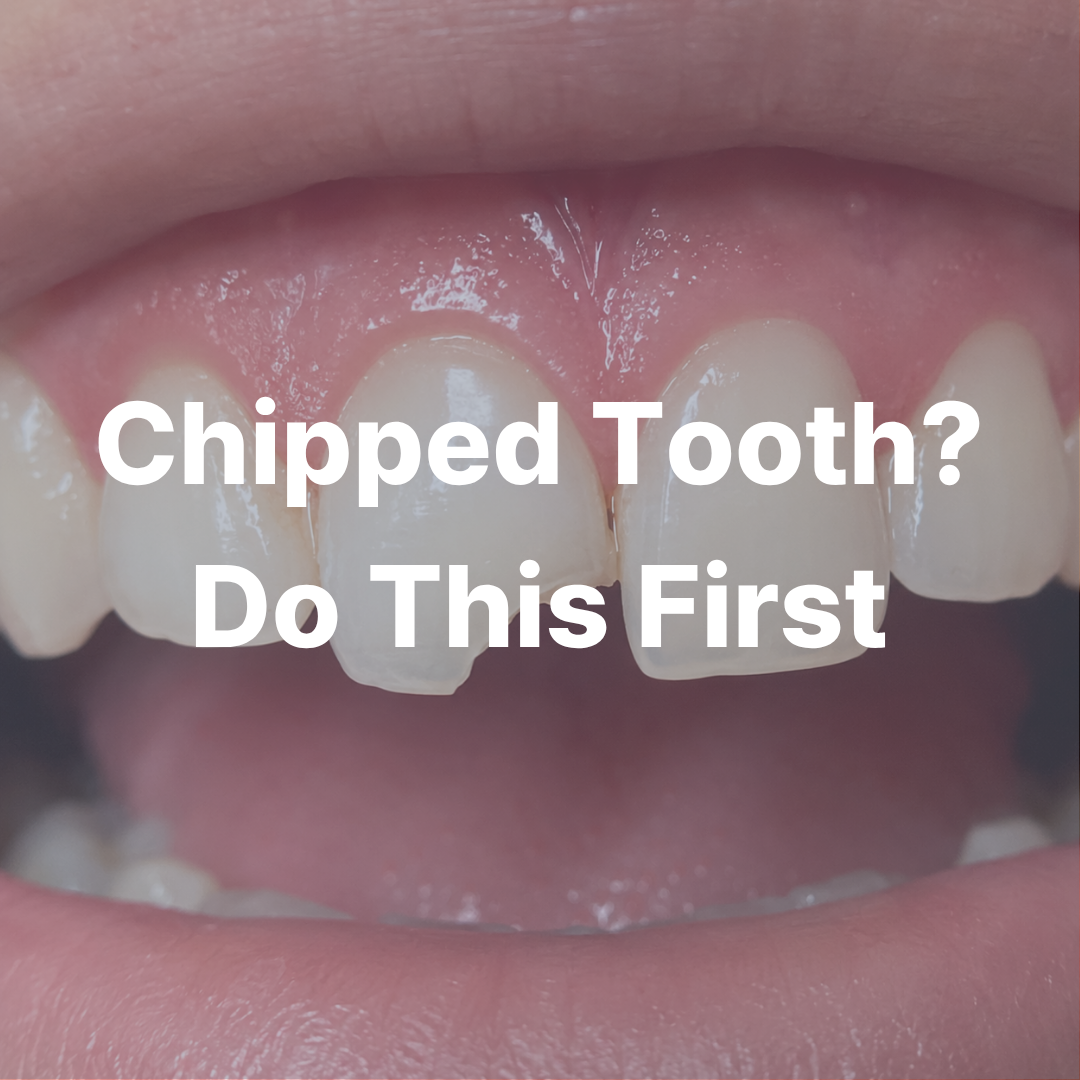
A broken tooth often happens unexpectedly and can be quite alarming.
Today, I’d like to explain what you should do when a tooth breaks, sharing real cases that I frequently encounter in my practice.
During consultations, I often hear comments like these:
“Doctor, my tooth suddenly chipped while I was eating.”
“It only chipped a little, and it didn’t hurt, so I ignored it.”
“I thought it would be fine, but now it’s becoming sensitive.”
Whenever I hear these stories, I see the same emotions on my patients’ faces—surprise, worry, and often the regret of wishing they had come in sooner.
Not long ago, I treated a patient with a similar experience.
A man in his 50s told me that while eating dinner, he bit into something hard and suddenly felt a sharp “crack.” Part of his tooth had broken off.
Since he had very little pain, he decided to wait a few days.
However, over time he noticed sensitivity whenever he drank cold water, and chewing became uncomfortable. That’s when he decided to visit the clinic.
After examining the tooth, we found that the crack extended much deeper than what was visible from the outside.
This is why it’s difficult to judge the condition of a broken tooth based only on what you can see.
Why shouldn’t you ignore a broken tooth?
an Hyun-woo from Medicell Dental Clinic.
Although teeth appear very strong, even a small crack can gradually worsen every time you chew.
However, not every broken tooth has the same cause.
The treatment plan depends on the shape of the fracture, its location, and the amount of force involved.
That’s why determining the extent of the damage is the first and most important step.
Cause 1: Biting hard foods
Hard foods such as dried squid, ice, or nuts can easily chip a tooth.
Patients often tell me, “It suddenly broke.”
But after a closer examination, it’s common to find that tiny cracks had already been developing over time.
Rather than the last bite being the true cause, it is often the final trigger that reveals damage that has been building up for quite some time.
Think of a glass with a tiny invisible crack. It may look perfectly fine until one small impact causes it to shatter.
Cause 2: Previous cavities or large restorations
Teeth that have undergone multiple cavity treatments may gradually lose some of their natural strength.
Even though the outside appears intact, the remaining tooth structure may become thinner, making it easier for a portion of the tooth to break.
In my practice, I often see patients whose old resin fillings or inlays fracture first.
Cause 3: Teeth grinding or clenching
People who grind or clench their teeth during sleep place tremendous pressure on their teeth without realizing it.
Everything may seem normal at first, but over time tiny cracks can develop and eventually lead to fractures.
It’s similar to how car tires wear down little by little rather than all at once.
First aid for a broken tooth
If a piece of the tooth has broken off, place it in a clean container and bring it with you to the dental clinic if possible.
Rinse your mouth gently and avoid chewing on the damaged side.
If the tooth is painful or sensitive, try to avoid very hot or very cold foods until you are examined.
Most importantly, do not try to glue the broken piece back yourself, as this may make proper evaluation and treatment more difficult.
If you notice that a large part of the tooth has broken, the fracture may be more extensive than it appears.
Sensitivity to cold can indicate irritation of the tooth’s nerve.
Pain while chewing may suggest that the crack extends deeper inside the tooth.
If you experience bleeding or swelling around the gums, the surrounding tissues may also have been injured.
If the tooth feels loose, both the tooth root and the surrounding bone should be evaluated carefully.
Don’t overlook these warning signs
Not every broken tooth is a serious emergency.
However, if the crack extends into the root or the dental pulp (nerve) is exposed, prompt evaluation is recommended.
On the other hand, if only a small portion of the tooth has chipped, treatment is often relatively simple.
The important thing is not to assume everything is fine based only on how the tooth looks.
One thing I often tell my patients is:
“The size of the chip isn’t as important as how far the damage extends.”
A tooth may appear to have only a small chip on the outside while hiding a much larger crack inside.
In closing
A damaged tooth cannot repair itself.
If you notice that a tooth has broken, don’t simply wait and hope it improves.
Having it examined early often provides more treatment options and increases the chances of preserving your natural tooth.
If you notice even a small change in your tooth today, I encourage you to have it checked rather than ignoring it.
Paying attention to small changes is often the best way to protect your smile for years to come.
Thank you.
I believe in listening carefully and explaining thoroughly.
To help preserve your natural teeth without missing the golden window for treatment, I will continue to work with you to find the best possible solution.
Dr. Han Hyun-woo
Medicell Dental Clinic